Ratgeber
Painting 3D-Printed Miniatures: Prep, Priming, and Pitfalls
A printed model isn't paint-ready off the plate. Washing, curing, support scars, and primer choice — the prep that decides whether your prints end up looking boxed-quality.
Verfasst vom Miniheist-Team · Veröffentlicht 08.08.2026
The most common disappointment in tabletop printing is a beautiful print that turns ugly under paint — chipping primer, greasy patches, or support scars staring through a careful highlight. Almost all of it traces back to preparation, and the prep differs by printer type. Get it right and painted prints sit on the table indistinguishable from boxed plastic.
Resin prints: wash properly, cure properly
Paint will not bond to uncured or greasy resin. Prints need a thorough wash in isopropyl alcohol to remove residue, a rinse, full drying, and then a UV cure — sunlight works, a curing station is faster and more even. Under-cured models stay slightly tacky and leach; over-cured ones grow brittle. When a model feels dry, matte, and no longer smells sharply of resin, it is ready. Wear gloves until that point, every time.
FDM prints: it's all about the surface
PLA needs no chemistry — just remove supports cleanly and decide how much layer-line smoothing the piece deserves. For terrain: none, paint hides everything. For display-adjacent pieces: a light sand, or a coat of filler primer. Textured and matte surfaces take drybrushing beautifully, which is why printed terrain often photographs better than it has any right to.
Support scars and mould-line thinking
Treat support marks exactly like mould lines on boxed kits: a sharp hobby knife, a fine file, and a habit of checking under raking light before priming. On resin, scars cut cleanly; on FDM they sometimes need a drop of filler. Thirty seconds per model here saves an hour of regret after basecoating.
Primer and paint: same as ever, with one caveat
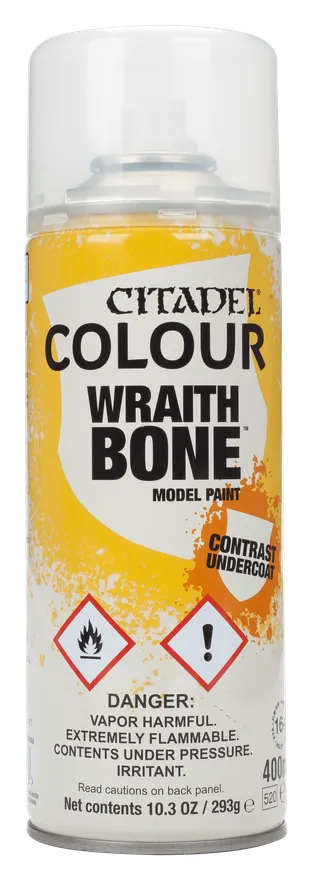
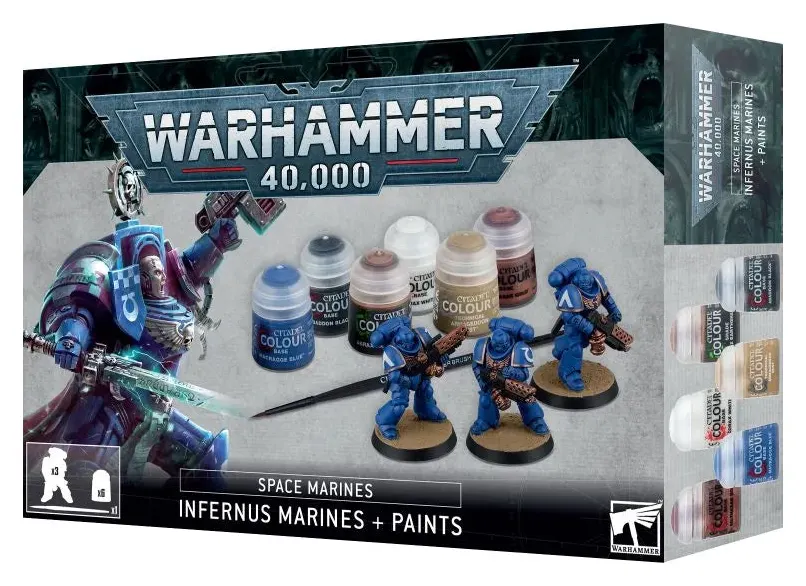
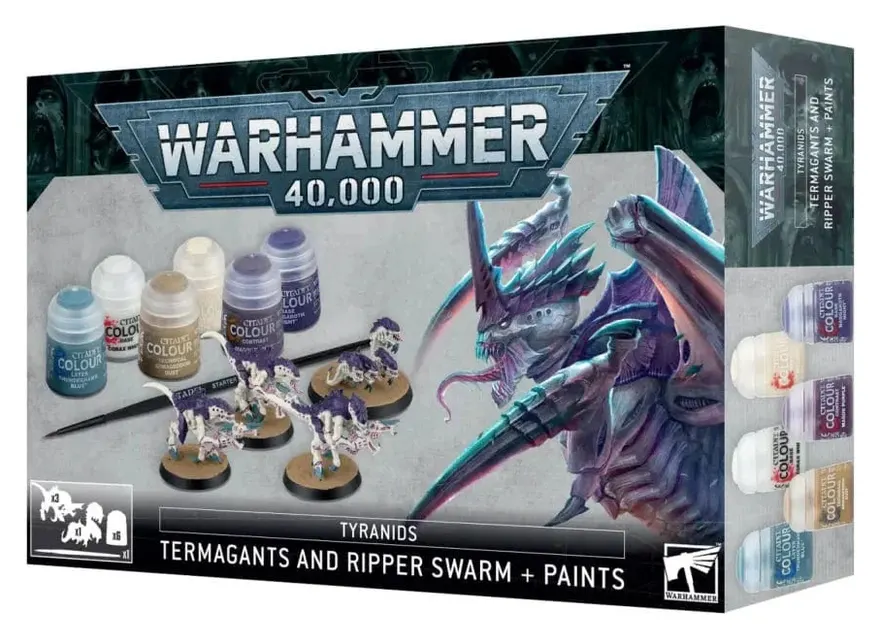
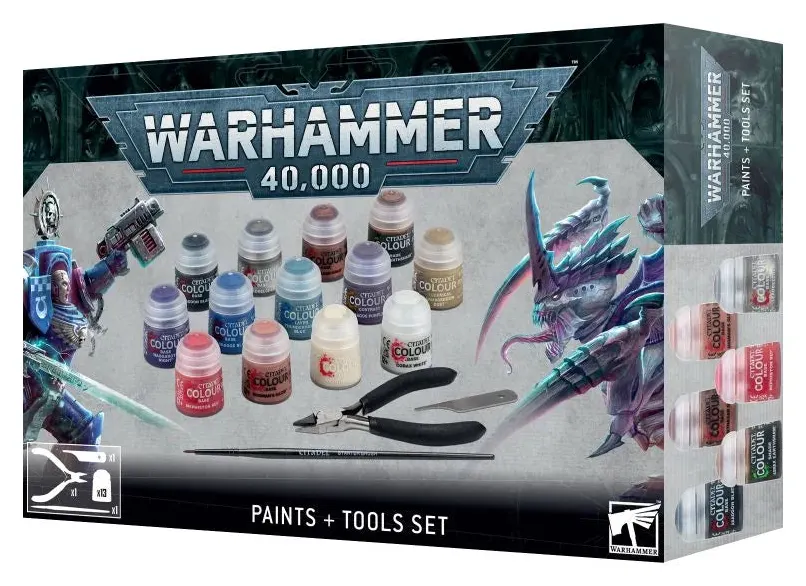
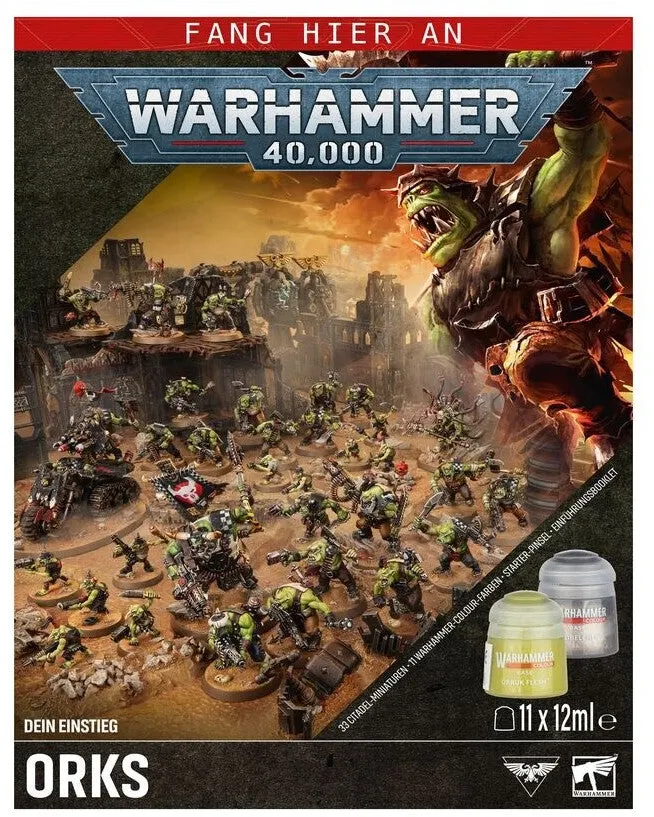
Once prepped, printed models take standard hobby primers and acrylics exactly like injection-moulded plastic — your existing paints, washes, and contrasts all behave normally. The one caveat is flexible or oily engineering filaments (and cheap "mystery" resin), where adhesion suffers; stick to standard PLA and standard miniature resin and the problem never appears. Paint ranges vary a lot in price between retailers, so it pays to compare before restocking:
Paint Set
Paint Set
Paint Set
Paint Set
Paint Set
Safety, briefly and seriously
Resin dust from dry-sanding is not something to breathe: sand wet, or sand outside with a mask. Dispose of contaminated alcohol responsibly — cure it in sunlight until solids drop out rather than pouring it down a drain. None of this is difficult; it just needs to be routine.