Guides
How to Spot a Real Warhammer Deal (and Skip the Fake Ones)
Discount percentages are easy to print. Here's how to use RRP, price history and retailer spread to tell a genuine miniatures deal from a dressed-up normal price.
Written by the Miniheist team · Published 11.07.2026
Every webshop knows that a red percentage sign sells. What it doesn't tell you is whether the price behind it is actually low. In the miniatures hobby — where the same box is sold by many retailers at once and prices move constantly — telling a real deal from a dressed-up normal price is a learnable skill. Here's the method.
Anchor everything to the recommended retail price
Almost every miniatures product has a recommended retail price (RRP), and it's your fixed point in a noisy market. A "20% off" banner means nothing if the reference price was inflated to begin with; a quiet, unadvertised price can be excellent. So ignore the marketing and ask one question: how far below RRP is this, really? On our product pages the discount is always calculated against RRP, so every retailer is measured with the same ruler.
One rule of thumb worth internalising: because independent retailers routinely sell below RRP, a small discount off RRP is closer to the market's normal price than to a genuine deal. The interesting territory starts where a price is clearly below what the box usually trades at — which brings us to history.
Read the price history before you believe the badge
Every product page here has a price history chart, and it answers the question a discount badge dodges: what does this box usually cost? Three patterns to look for:
- The price is at or near its recorded low: a genuine deal. If you want the box, this is the moment.
- The price is "reduced" but sits at its usual level: not a deal — just a normal price wearing a costume. Wait.
- The price briefly spiked and then "dropped": the oldest trick in retail. The history chart makes it visible at a glance.
Let the spread across retailers tell you the market price
A single shop's price is an opinion; a dozen shops' prices are a market. When you look a product up here, the list of tracked retailers effectively shows you the real going rate — and how far the cheapest offer sits below it. A wide spread often means one retailer is clearing stock, which is exactly the kind of deal worth catching. A narrow spread means the market agrees, and chasing a better price elsewhere is probably wasted effort.
Use the Heist Score as a shortcut
All of the above takes half a minute per product — the Heist Score compresses it into one number. It's our 0–100 rating of how good a deal is right now, weighing the discount against the product's own price history rather than against marketing claims. A high score means the price is genuinely unusual for that specific product. If you just want to browse the best current deals without doing the analysis yourself, sort by Heist Score and start at the top.
Timing and the fine print
A few final habits that separate patient hunters from impulse buyers:
- Big sale seasons are real but uneven. Late-year sales events often bring genuine lows — and plenty of theatre. The price history chart works exactly the same during a sale; use it.
- Include shipping in the comparison. A slightly higher price with free shipping frequently beats the "cheapest" listing. Check each retailer's free-shipping threshold, and consider bundling purchases to clear it.
- Know when not to wait. Boxed sets that are leaving the range or tied to a limited print run can vanish rather than get cheaper. If the history shows a stable price and stock is thinning, a merely decent price today can beat a hypothetical one later.
Watch the bundle math
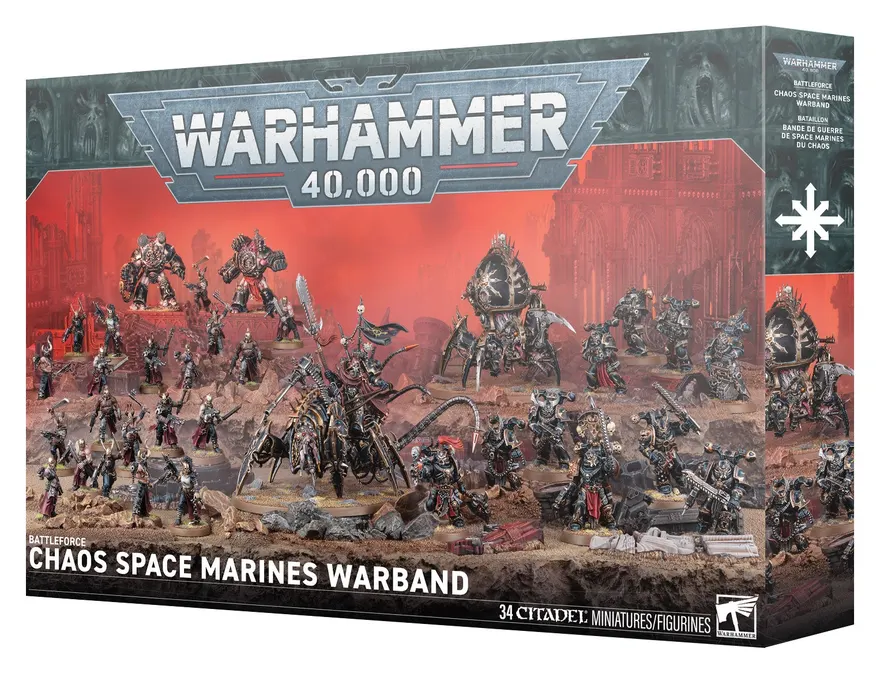
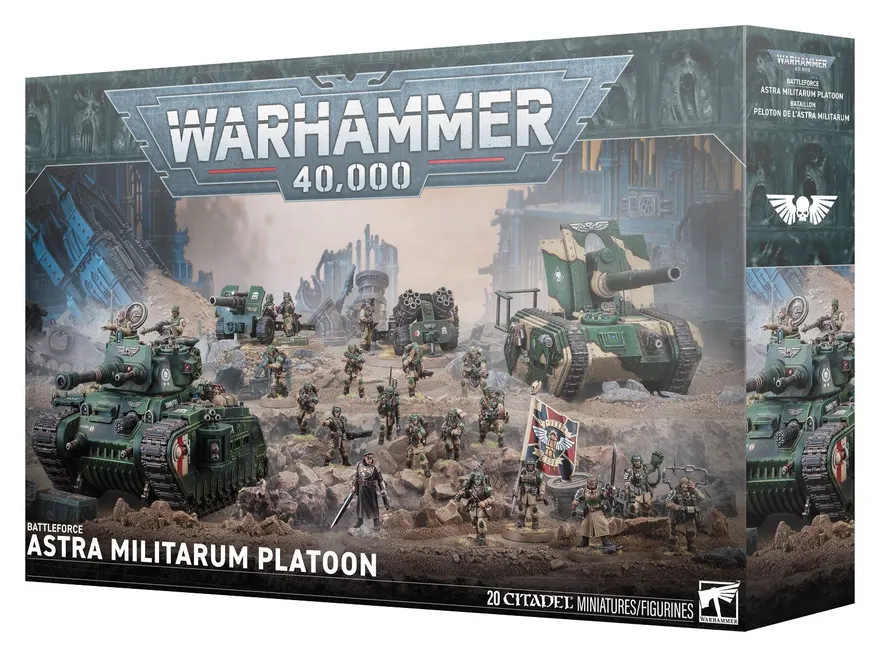
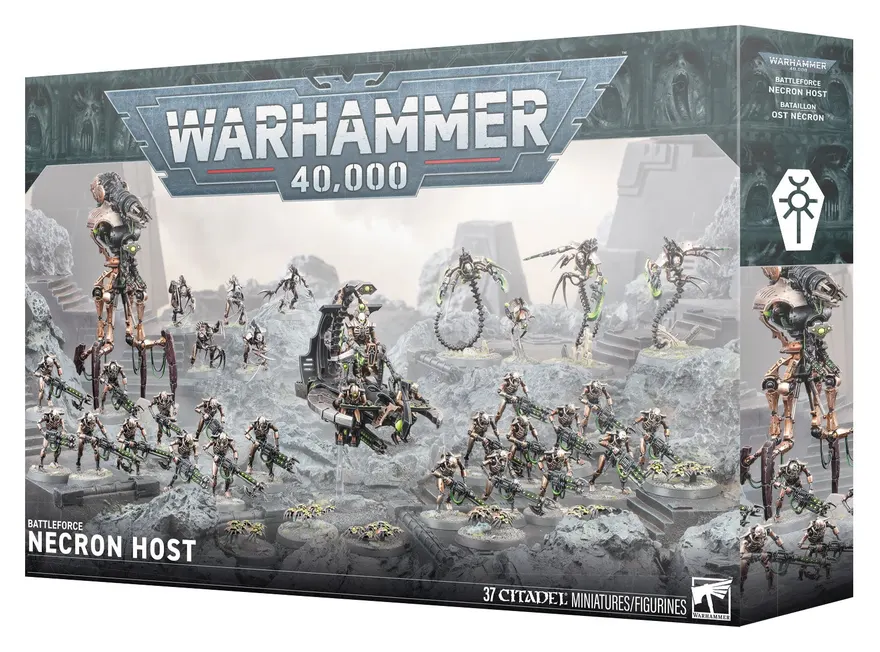
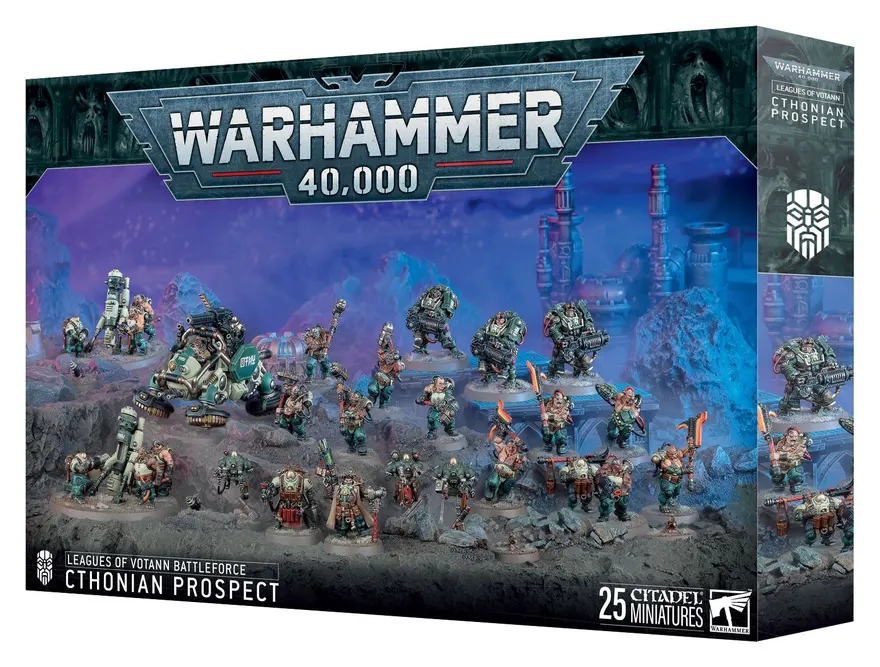
Value boxes — battleforces, holiday bundles, curated starter sets — deserve one extra check. Their headline saving is calculated against the combined RRP of the contents, which only matters if you actually wanted those contents. Price the units you would genuinely have bought separately, at real retailer prices rather than RRP, and compare that total with the bundle's best price. A bundle that's a bargain on paper can be merely average once half its contents are things you'd never field.
Putting it into practice
Deal-hunting sounds like work, but the routine is quick: check the discount against RRP, glance at the history chart, scan the retailer spread, and let the Heist Score confirm your read. Here are the current battleforce-style value boxes we track — a category where real discounts do appear — sorted cheapest first: