Guide
3D Printing for Wargaming: What It Actually Takes to Get Started
Printers are cheaper than ever and the hobby overlap is obvious — but what does tabletop 3D printing actually involve day to day? An honest look at costs, workflow, and what to print first.
Scritto dal team di Miniheist · Pubblicato 08.08.2026
3D printing and wargaming look like a match made in heaven: a hobby full of plastic models, and a machine that makes plastic models. The overlap is real — thousands of players print terrain, vehicles, and full armies — but the day-to-day reality involves more sanding, more failed prints, and more chemistry than the YouTube time-lapses suggest. Here is what getting started genuinely looks like.
The two printer families, in one paragraph each
Resin (MSLA) printers cure liquid resin layer by layer with UV light. They capture crisp detail rivalling injection-moulded miniatures, which makes them the choice for infantry-scale models. The trade-off is the workflow: liquid resin is messy and mildly toxic, prints must be washed and UV-cured afterwards, and you need gloves, ventilation, and patience.
Filament (FDM) printers melt plastic strands and draw the model line by line. They are clean, cheap to run, and effectively odourless with PLA — but visible layer lines mean they flatter big shapes, not 28 mm faces. For terrain and vehicles they are excellent; modern machines with fine nozzles get surprisingly close on larger miniatures.
The real cost is not the printer
Entry-level machines in both families now cost less than a couple of army boxes. The recurring costs are what surprise people: resin or filament by the kilo, isopropyl alcohol, nitrile gloves, replacement FEP films and build plates, the occasional failed print, and — for resin — somewhere ventilated to work. None of it is ruinous, but "the printer pays for itself after one army" only holds if you actually print that army instead of a shelf of test cubes.
Time is a currency too
A printer is not an appliance; it is a hobby machine that rewards tinkering. Expect a learning curve of supports, exposure calibration, and slicer settings before models come out clean. Many hobbyists genuinely enjoy that part — it scratches the same itch as kitbashing. If you would rather spend your evenings painting, weigh that honestly before buying.
What to print first — and what to keep buying
Terrain is the ideal first project: big, forgiving shapes, huge savings versus boxed scenery, and layer lines disappear under paint. Objective markers, tokens, and movement trays are close behind. Official army boxes remain the sensible route for tournament-legal forces and for kits whose value is in the sprues themselves — and that is precisely where comparing retailer prices earns its keep:

Starter Set
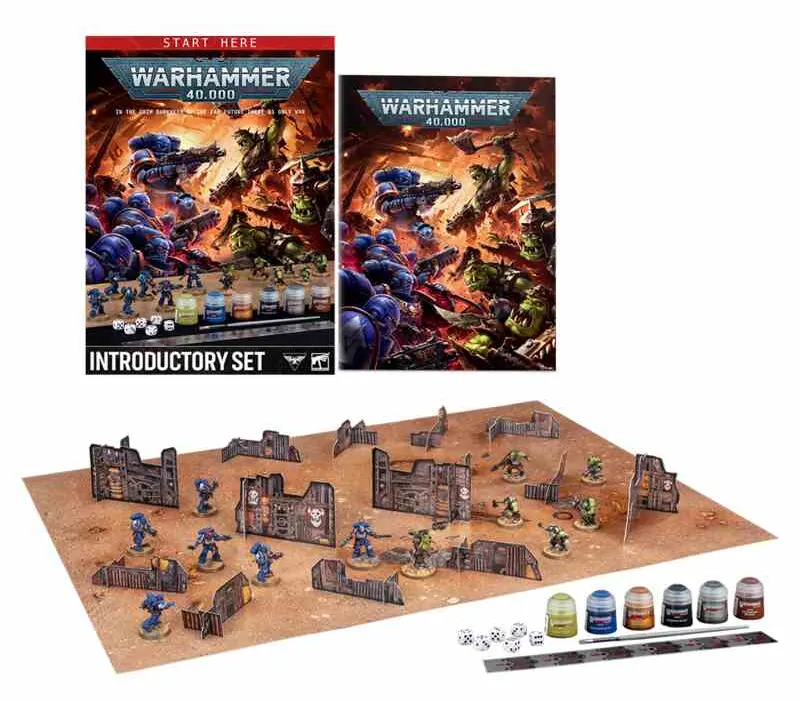
Starter Set
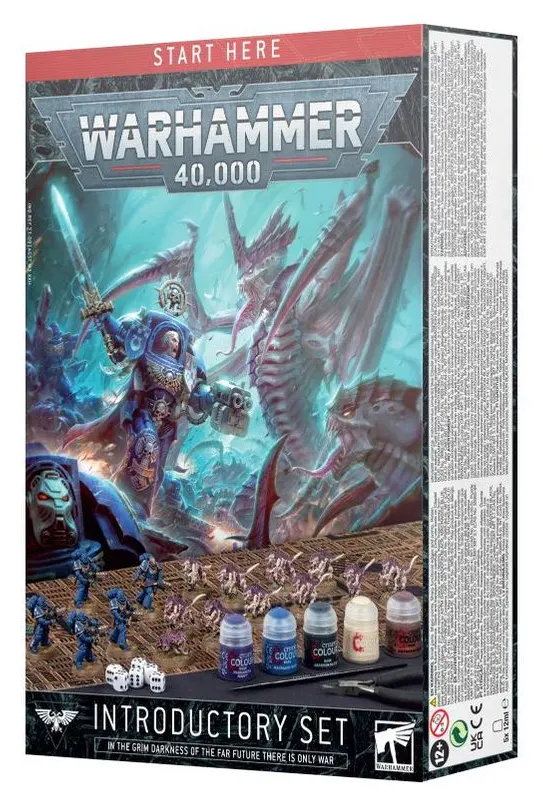
Starter Set
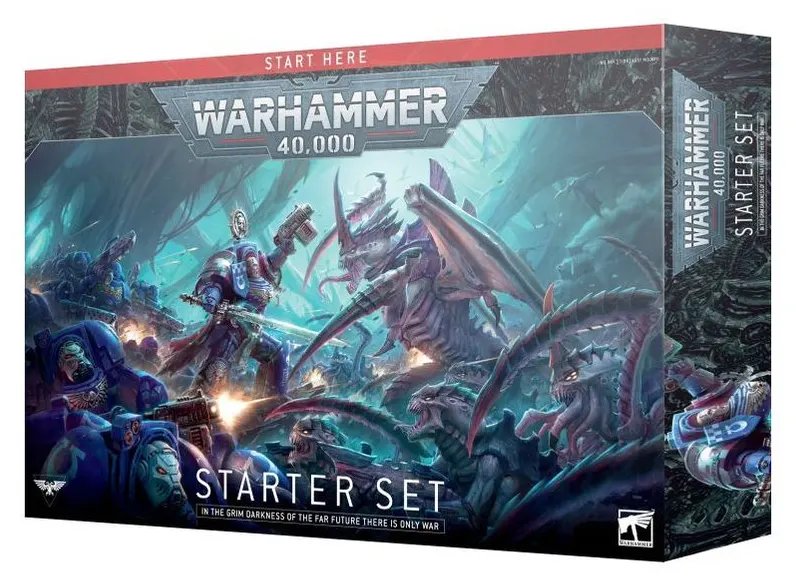
Starter Set
Starter Set
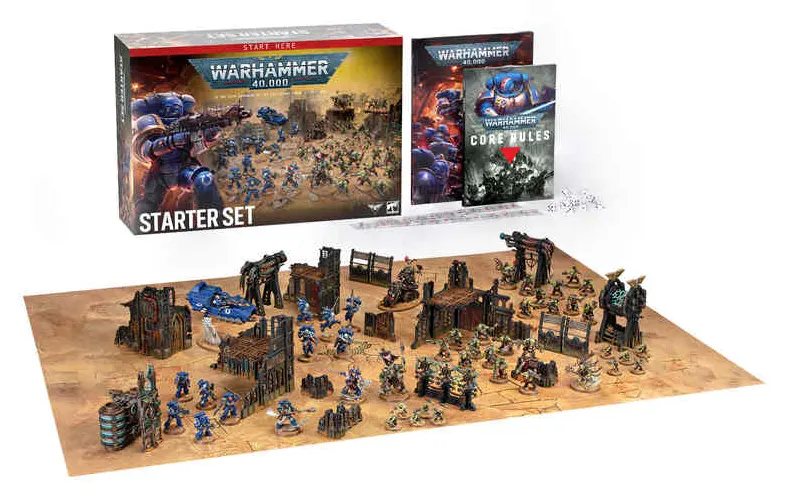
Starter Set
Print legally: use original designers
One thing to be clear-eyed about: downloading or printing copies of Games Workshop's (or any studio's) models is copyright infringement, and tournament scenes generally won't accept obvious knock-offs. The good news is that the independent STL scene is thriving — sculptors sell original, often gorgeous designs through subscriptions and marketplaces, and systems like One Page Rules are built around print-friendly armies. Support the designers, print originals, and the hobby stays healthy.