Guide
Resin or FDM for Miniatures? Choosing the Right Printer for Your Hobby
Detail versus convenience: how the two printer types differ in practice — surface quality, safety, workspace, running costs — and which one fits the kind of hobbyist you are.
Scritto dal team di Miniheist · Pubblicato 08.08.2026
Every tabletop printing journey starts with the same fork in the road: resin or filament? Both camps have passionate defenders, and both are right — for different hobbyists. The honest answer depends less on spec sheets and more on what you want to make and where you can work.
Detail: resin wins at 28 mm, FDM closes in above it
For individual miniatures with faces, filigree, and fine weapons, resin's per-layer precision is simply in another class; a well-calibrated resin print is hard to tell from a boxed miniature at arm's length. FDM's layer lines are visible on small organic shapes no matter how patient you are. Scale the model up — a tank, a monster, a building — and the gap narrows dramatically, especially with 0.2 mm nozzles and tuned profiles.
Workflow and safety: the part spec sheets skip
Uncured resin requires gloves, good ventilation, and disciplined cleanup; prints need an alcohol wash and UV cure before they are safe to handle bare-handed. It is closer to a small chemistry bench than a desktop gadget, and it does not belong in a bedroom or near pets and children. FDM with PLA, by contrast, is essentially set-and-forget: no liquids, minimal smell, and failed prints go straight in the bin. If your only workspace is the living room, that difference decides the question for you.
Running costs and reliability
Consumable costs per model are modest in both camps, with FDM slightly cheaper per kilo and far more forgiving of neglect — a filament printer can sit unused for a month and resume happily, while resin left in a vat wants attention. Resin printers also consume FEP films and occasionally LCD screens as wear parts. Neither is expensive to feed; both punish impatience.
The honest recommendations
- You mainly want armies of crisp infantry: resin, and accept the safety workflow as part of the hobby.
- You mainly want terrain, vehicles, and tokens: FDM, without hesitation.
- You have no ventilated workspace: FDM, full stop.
- You are deep in the hobby and print everything: eventually you will own one of each — most serious printing hobbyists do.
Whichever you choose, paint is paint
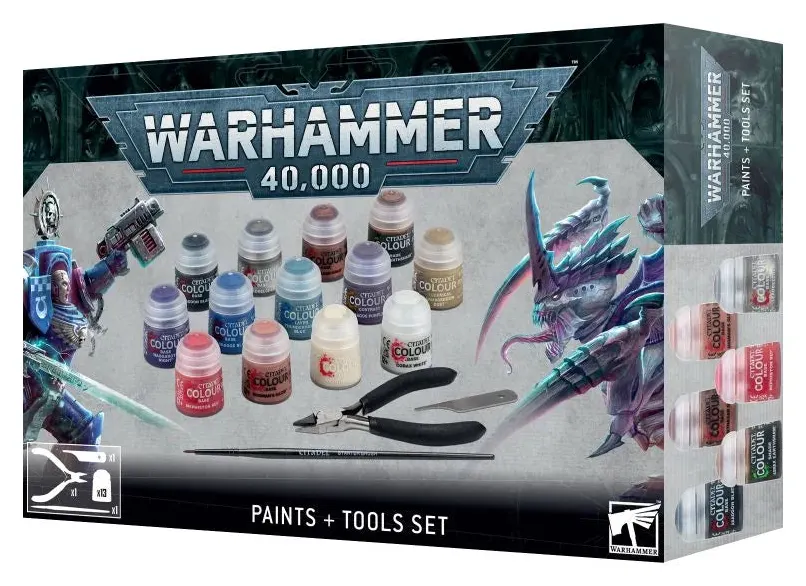
Printed models take primer and paint exactly like boxed plastic once they are properly prepped, so your paint collection carries over completely — and it is worth comparing prices on before you stock up: